

EPISODE 116
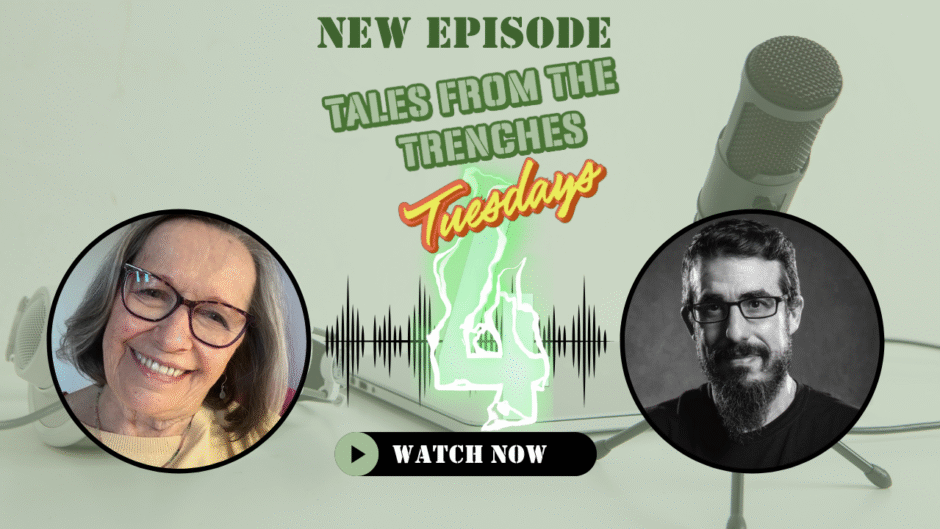
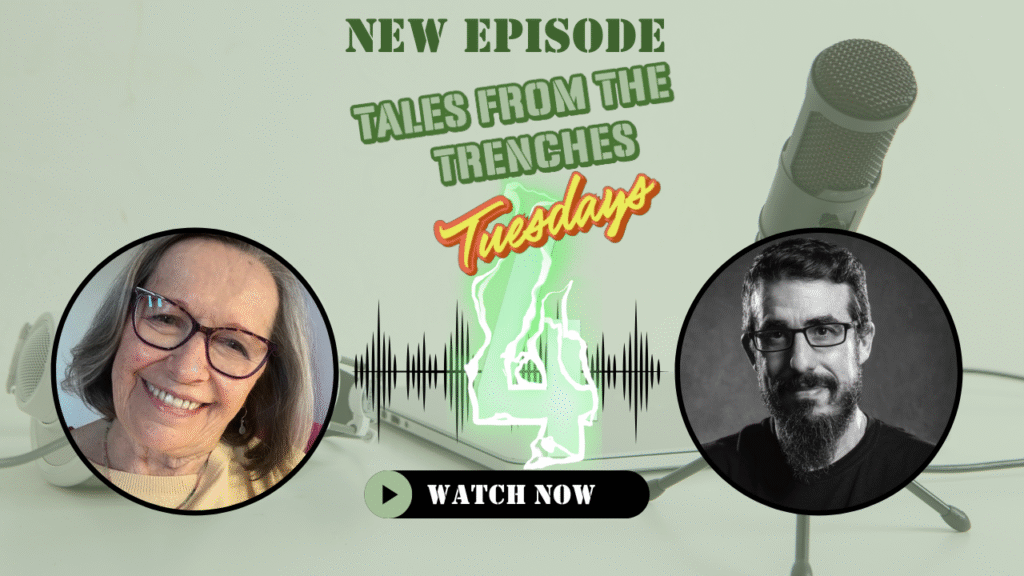
Episode 116 of Tales From the Trenches Tuesdays again features Penny Harris, a 35-years fundraising vet, and her career has taken her from producing the first statewide U.S. Senate debate with public broadcasting, to serving on the University of Maine System Board of Trustees, to coaching nonprofit leaders across the country through her practice, Renewable Philanthropy. There is one conviction that runs through everything she does. Donors are not a funding source to be tapped — they’re partners in building something better.
Penny spoke candidly about what she’s sees going wrong in the sector, and what she believes the fundraising world needs to get right. Her perspective comes from over a thousand donor interviews conducted across the United States, most of them as part of pre-campaign feasibility studies. Over time, she stopped using a rigid list of questions and let those conversations breathe. What she heard changed how she thought about the entire profession.
A Tale from the Trenches
One story she shared stood out. During a planning study, she sat down with a national CEO who had given six figures to an organization multiple times. He was enthusiastic and committed. So much so that he told Harris to pass along a message: if the organization ever got into financial trouble, he wanted to be called. He didn’t want the mission to fail. Penny brought that message back to the executive director, expecting it to land well. Instead, the CEO was furious. She didn’t get the campaign contract.
I see the donors as a team. That’s why they keep giving — if they feel like they belong to something that’s serving their community.
That story captures something Penny returns to again and again. The gap between how organizations treat donors and how donors actually want to be treated. Too often, she argues, nonprofits design strategy in isolation. It is after that that they then approach donors only to fund a plan they had no hand in shaping. Meanwhile, many of those donors are accomplished, thoughtful people who genuinely would help — if anyone bothered to ask.
Penny is also a vocal advocate for internal fundraisers conducting their own donor interviews rather than outsourcing that work to consultants. Her reasoning is practical: the fundraiser builds the relationship, and the relationship is what drives long-term giving. When she coached one fundraiser through the feasibility process herself, the result was a staff member who left with real donor connections and lasting confidence. That, Penny says, is what the work looks like in an ideal situation.
Hardest Challenge
What she finds hardest about the profession is the relentless focus on transaction over relationship. This would include the tendency to dismiss smaller gifts. She recalled children arriving with little bags of coins they’d collected door to door, wanting to help sick kids community members wanted it there. When organizations celebrate the money instead of the mission and the generosity that made it possible, they’ve fundamentally misunderstood their work. The role of fundraisers isn’t to retain gifts; it’s to invite people to join in serving something larger than themselves.
Just click on the picture of Penny below to hear our conversation.
L’chaim,
jack